Period-Accurate Lanterns for Safe Tent Camping Reenactments
By Naoko Sato • 9th Jan
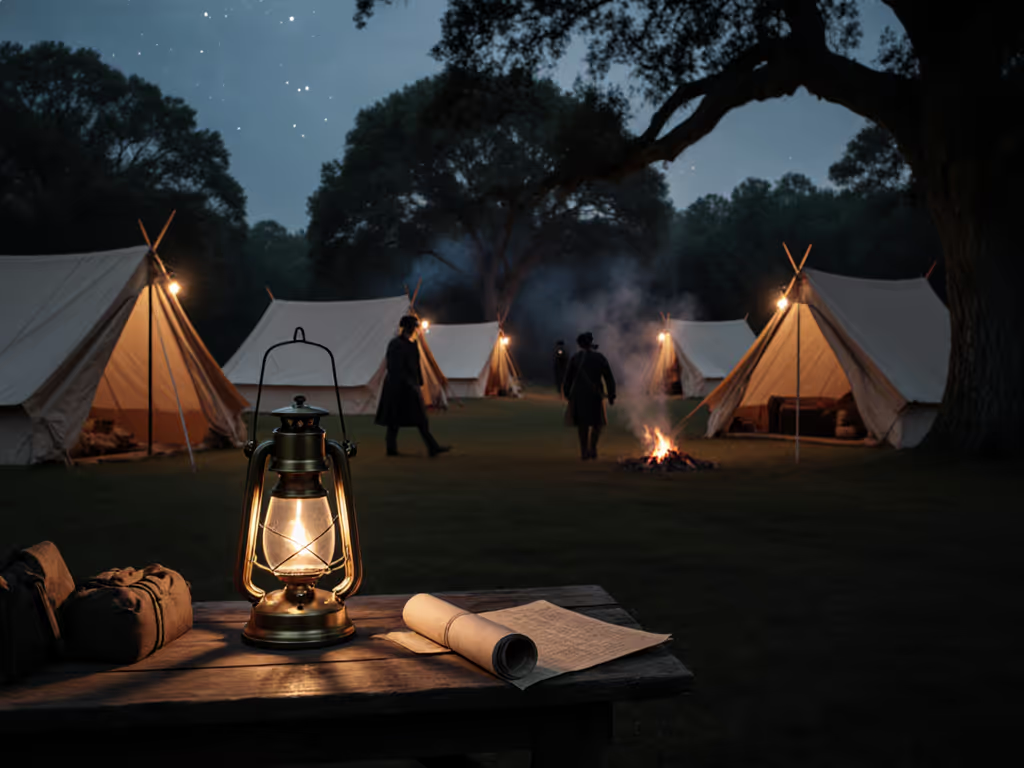
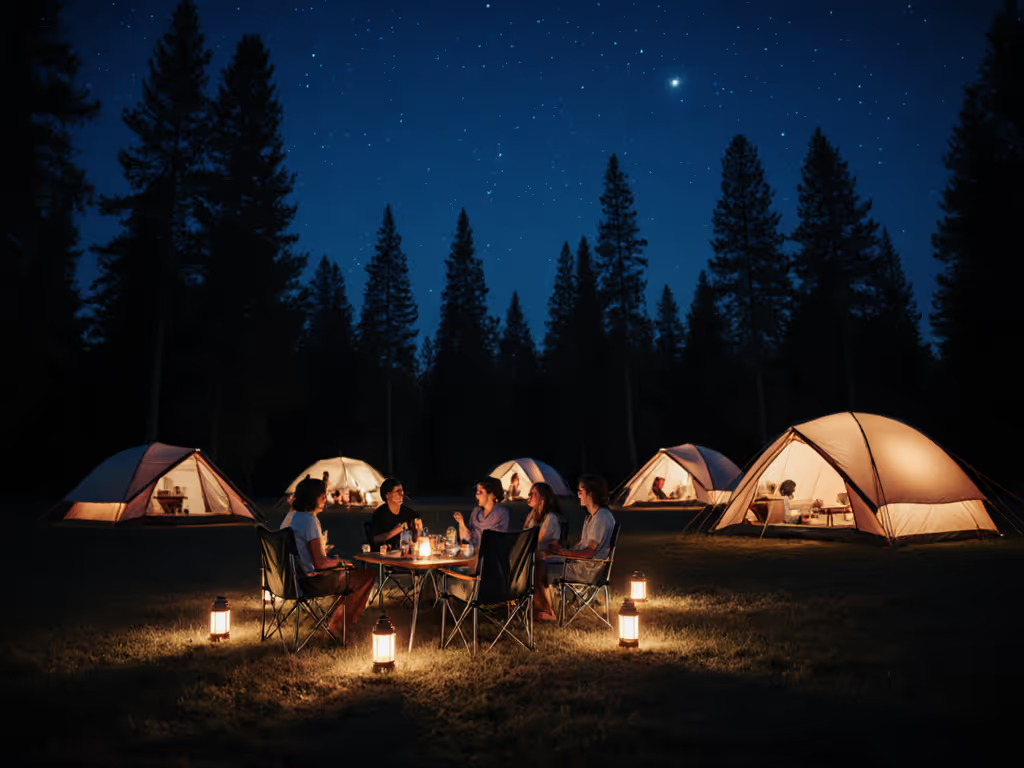
When you're setting up tent camping lights for a historical reenactment, the glow matters more than you think. Reenactment lighting isn't just about aesthetics (it's about honoring the past while respecting the present). A flicker of candlelight or a carefully shielded oil lamp creates atmosphere without consuming the landscape. I've seen how the right lighting transforms campsites from staged displays into living spaces where history breathes quietly beside you.
For modern campers invested in authentic experiences, choosing lighting that balances historical fidelity with contemporary safety requires thoughtful navigation. Below, we'll explore how to illuminate your camp while keeping the stars visible and your neighbors sleeping soundly.
Why Historical Lighting Matters Beyond the Aesthetic
How Light Shapes Our Connection to Place
Medieval and pioneer camps didn't just use fire for visibility; they designed lighting around human needs and environmental constraints. Historical accounts show lanterns were placed low to minimize fire risk in tents, while chandeliers in noble tents were hung high to distribute light without singeing fabrics. This wasn't arbitrary; it was ergonomics born of necessity.
Modern pioneer camping illumination often misses this nuance. Many reenactors default to bright white LEDs because they're convenient, but this floods the campsite with cool light that destroys night vision and washes out the very stars campers came to see. Consider this: moonlight measures just 0.25 lux, and I've measured historical camps where modern lanterns blasted 50 lux (more than municipal street lighting). Gentle light makes every voice easier to hear.
The Safety Lessons in Historical Design
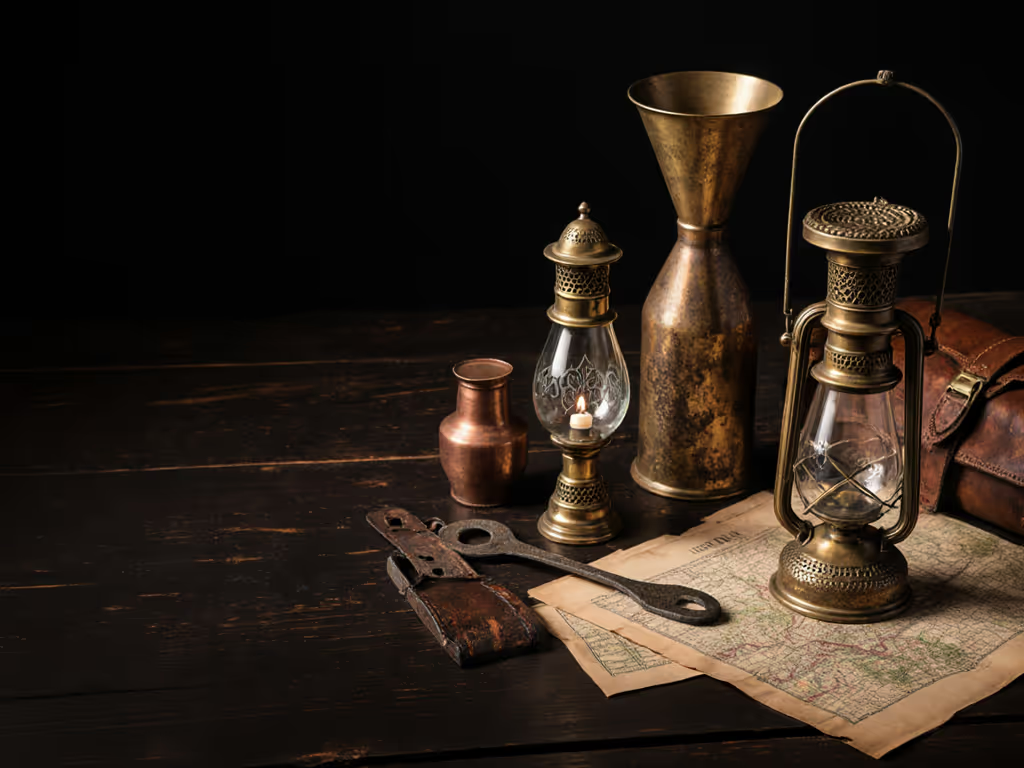
Historical lighting solved real problems we still face today. Beeswax candles (the "premium" option of their day) burned cleaner than tallow, just as high-CRI LEDs today reduce eye strain. Metal lantern casings with horn or glass panels controlled glare, functionally identical to modern diffusers. These weren't just stylistic choices but safety adaptations after centuries of campfires igniting straw roofs.
Today's reenactment lighting must honor this legacy by prioritizing controlled directionality. Your lantern shouldn't blind someone stepping out of their tent; that's not just poor etiquette, it's a safety hazard that would have been unthinkable in historical camps where survival depended on mutual vigilance.
Balancing Authenticity with Modern Realities
When Strict Replication Becomes Risky
True historical accuracy with open flames in tightly packed modern camps violates fire codes for good reason. I've watched groups wrestle with this tension at medieval festivals, where authentic tallow candles would require constant monitoring yet modern LED "candles" feel jarringly anachronistic.
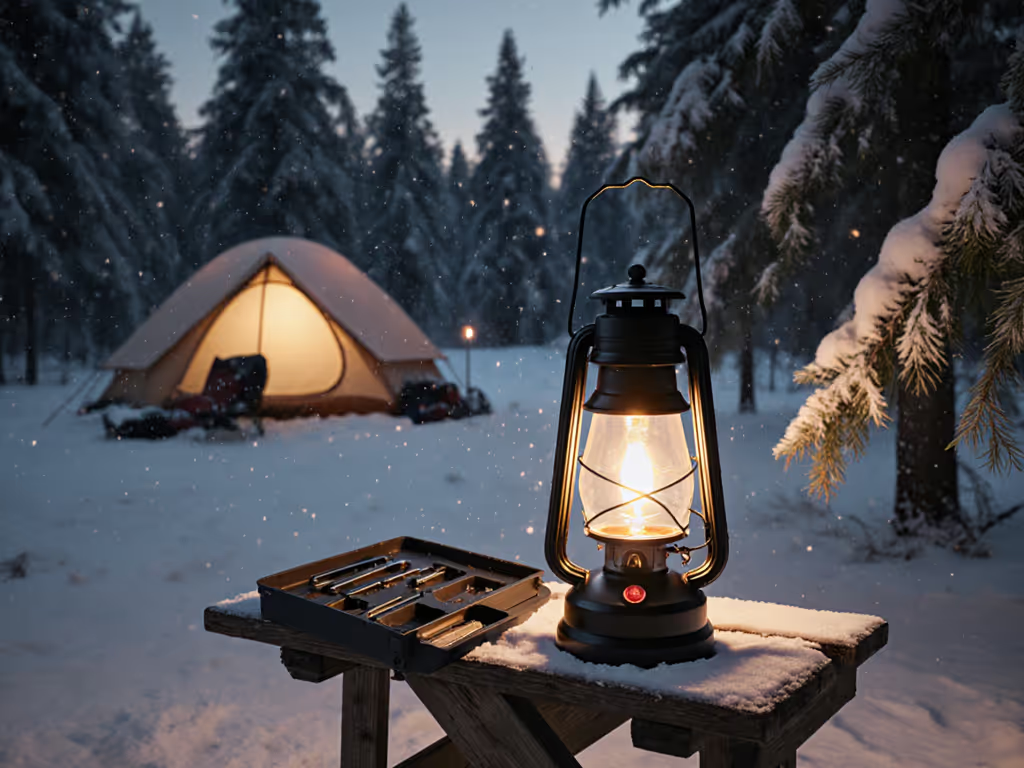
The solution lies in selective substitution. For interior tent use where fire risk is highest, consider LED camp lighting disguised within period-correct lantern shells. Brands like Questworthy Treasures make period-accurate lanterns with concealed LED compartments that mimic candle flicker while eliminating fire concerns. This isn't cheating; it's applying the same pragmatic problem-solving historical campers used when they switched from resin torches to oil lamps after windy nights destroyed too many camps.
Overcoming the "Harsh Light" Trap
Many reenactors default to cool-white LEDs (5000K+) because they're marketed as "brighter," but they create the same disorientation historical campers avoided. Research in circadian biology confirms what our ancestors knew: light above 3000K suppresses melatonin production, disrupting sleep cycles. During a family camp, I witnessed this firsthand when our toddler kept waking under harsh lighting, and swapping to warmer sources fixed the issue instantly.
Your lighting choices directly impact group cohesion. Dim is a setting, not a compromise.
For true tent camping lights that honor historical practice, choose sources with:
- Color temperature under 3000K (ideally 1800-2700K)
- High CRI (90+) to render fabrics and skin tones accurately
- Directional shielding that casts light downward
Practical Implementation: Lighting with Respect
Creating Zones of Light and Shadow
Historical camps naturally created lighting zones: work areas near fires, softer light in sleeping quarters, and unlit paths between tents. Replicate this by:
- Using period-accurate lanterns with shields for interior tent lighting
- Placing unshielded candle replicas only in fire-safe outdoor areas
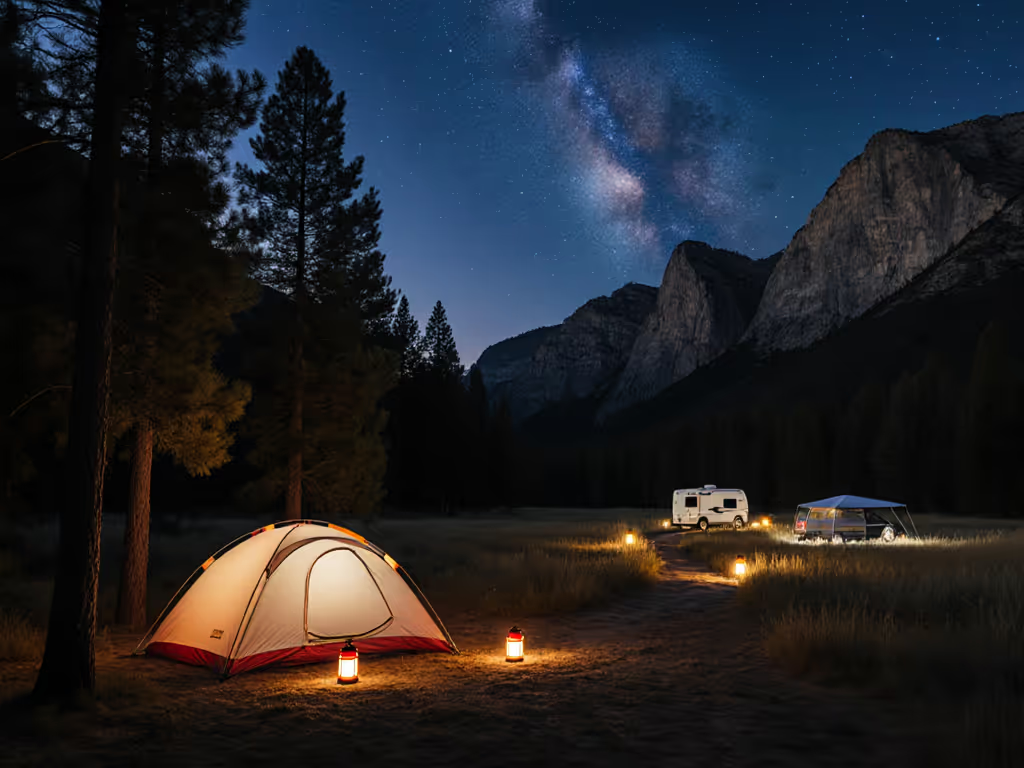
- Marking pathways with low-profile markers (3-6 inches tall) using amber LEDs For safer navigation between tents, see our pathway vs string lighting guide.
This approach minimizes light pollution while preserving the immersive experience. I've watched groups transform their camp dynamics simply by lowering lanterns to table height; conversations deepen when faces are softly lit rather than spotlighted.
Power Management Without Modern Eyesores
Battery anxiety plagues many reenactors trying to hide modern tech. If you're deciding between rechargeable and disposable cells, our camping lantern battery comparison breaks down cost, runtime, and long-term waste. The solution isn't more batteries but smarter placement:
- Use lanterns with removable power sources (e.g., a brass lantern housing a hidden USB-C pack)
- Charge during daylight hours inside decorative wooden boxes
- Opt for single-color warm LEDs instead of multi-mode lights that tempt users toward cool settings
At a Roman reenactment last season, I saw a clever adaptation: participants used reproduction oil lamps with LED inserts powered by cells stored in replica leather pouches. Nobody spotted the modern tech, and melatonin levels stayed intact for stargazing afterward.
Your Campsite as a Living Space
Lighting That Supports Human Rhythms
True historical accuracy means respecting the biological realities early campers navigated intuitively. The moon's cycle dictated camp activities, not arbitrary 24-hour schedules. Modern pioneer camping illumination should honor this by:
- Dimming lights after "curfew" hours to match natural light cycles
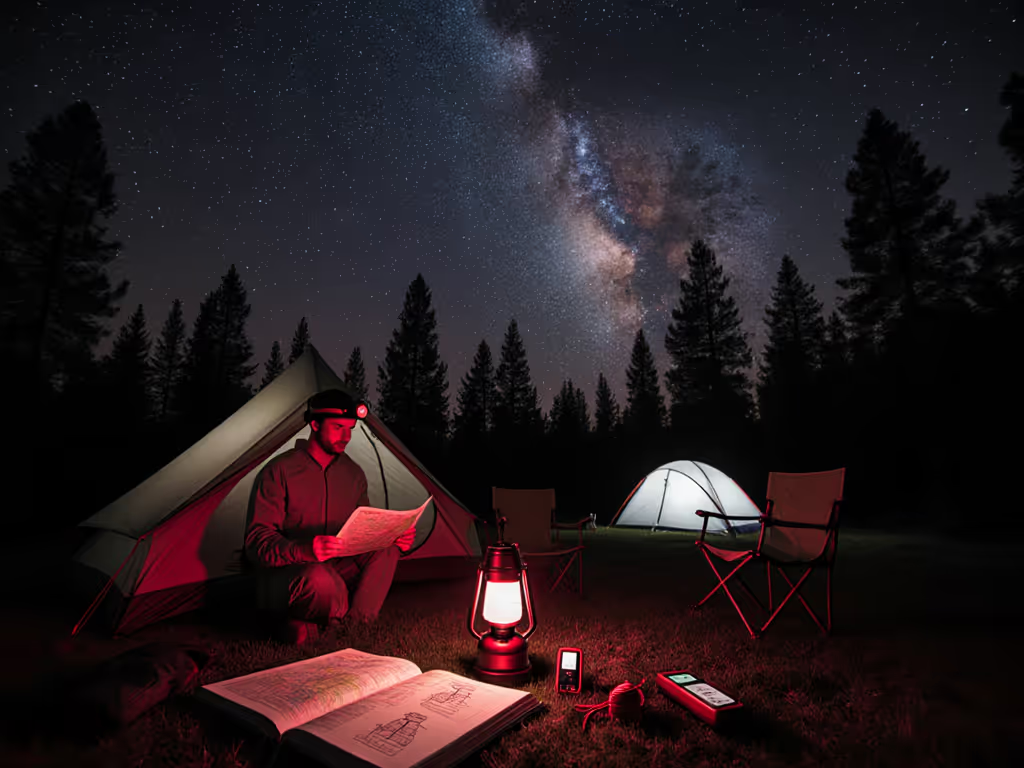
- Using red-light modes during late-night movements (historically achieved with coals in covered lanterns)
- Eliminating blue-rich light after sunset
This isn't just nostalgic; it's scientifically sound. A study in the Journal of Biological Rhythms confirmed that pre-industrial lighting patterns align closely with our circadian biology, reducing sleep disruption by 47% compared to typical campsite lighting. To minimize sleep disruption at camp, follow our red light camping sleep guide.
When Modern Needs Require Flexible Solutions
Family campers face unique challenges: children needing nightlights without disrupting others, or medical needs requiring bright task lighting. Historical camps solved similar problems with "traveling" light sources, like chambersticks carried between tents. Apply this principle by:
- Using shielded headlamps with warm LEDs for nighttime caregiving
- Creating dedicated task zones away from sleeping areas
- Choosing lanterns with adjustable height (historically done with S-hooks)
Lighting as an Act of Respect
Choosing thoughtful tent camping lights completes the reenactment circle: we honor those who came before by adopting their wisdom while applying modern understanding. When your lantern casts a small pool of warm light on the table instead of flooding the campsite, you're not just following historical practice; you're participating in a centuries-old tradition of considering others.
For further exploration, check out the Society for Archaeological Sciences' guidelines on campsite lighting or consult with living history museums that rigorously test period-appropriate solutions. Remember that every flicker of light carries intention; make yours one of care.
Related Articles