Camping Night Vision Preservation: Light Physiology Explained
By Sofia Alvarez • 13th Jan
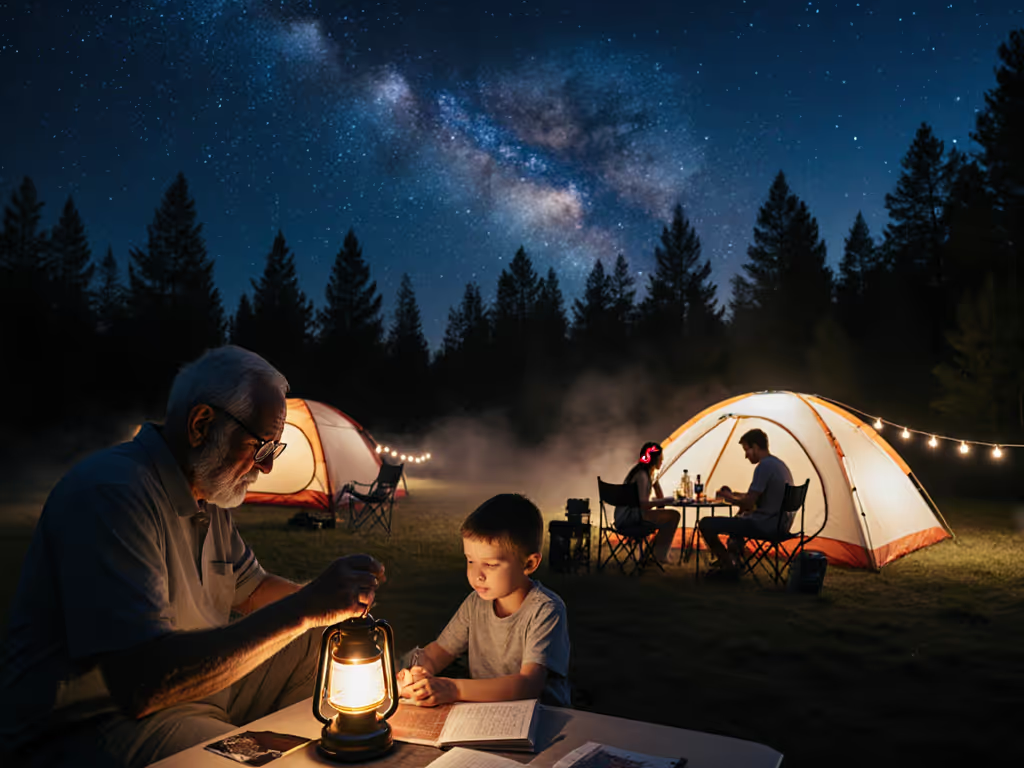
As a child, I watched my grandfather's brass lantern cast flickering amber light across our picnic table (warm, fume-scented, and utterly human). That mood lingers in my bones, but modern camping demands something quieter: night vision preservation camping rooted in camping light physiology, not nostalgia. Today's high-CRI LEDs and matte diffusers can recapture that feeling while respecting the dark sky. For an at-a-glance primer on low-glare techniques and etiquette, see our dark-sky camp lighting guide. Design you barely notice is doing its best work.
The Science of Seeing in the Dark
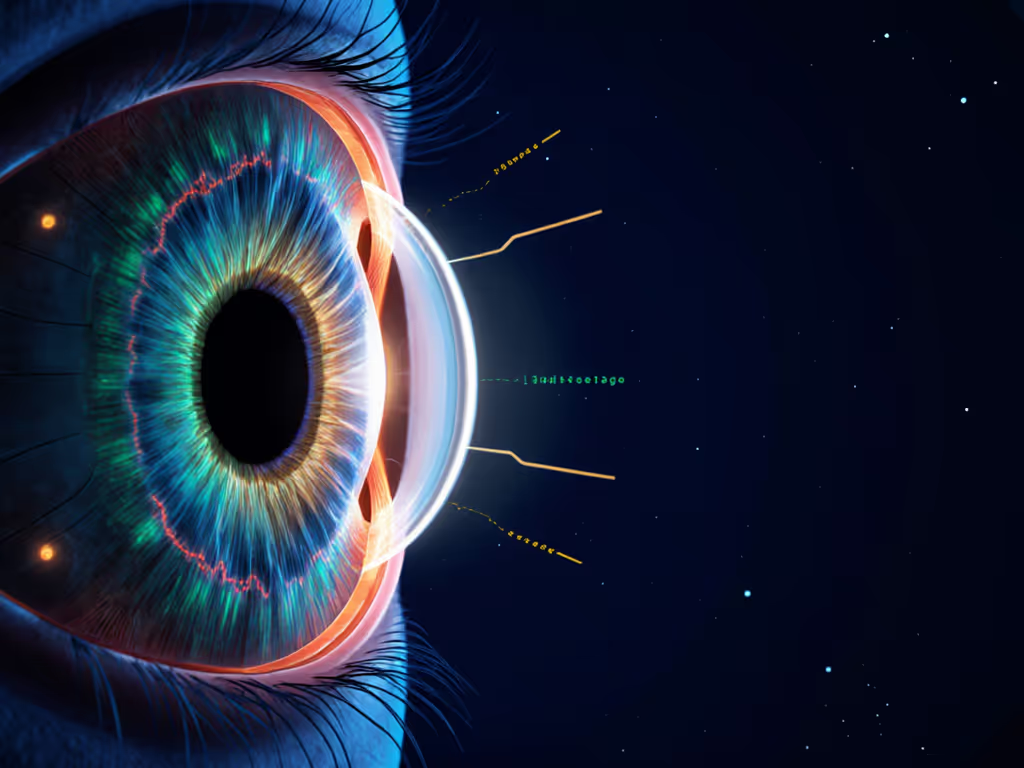
Your eyes aren't designed for instant adaptation between campfire glow and starlight. Understanding this is foundational to light intensity management. When darkness falls, your rods (the light-sensitive cells in your retina) begin regenerating rhodopsin, a photopigment critical for low-light vision. This process, called dark adaptation, takes 20 to 45 minutes to complete. But even a single 30-second exposure to bright white light resets the clock. A study by the International Dark-Sky Association confirms that campers using standard cool-white headlamps (over 5000K) experience complete rhodopsin depletion within seconds, leaving them functionally night-blind until their eyes readjust.
Why Rods Rule the Night
Rods are most sensitive to blue-green light (peaking around 498nm wavelength), but crucially, they're insensitive to longer red wavelengths (above 620nm). This physiological quirk is why red light preserves night vision: it stimulates cones (for color vision) without bleaching rod rhodopsin. Think of it as a conversation between your cells: white light shouts, overwhelming the rods; red light whispers just enough for task vision. This isn't theoretical; astronomers and military personnel have leveraged this for over a century, a fact verified by NASA's human physiology research.
Color Temperature and Your Night Vision
Not all light affects your eyes equally. Let's compare options based on physiological light impact: For deeper context on how color temperature shapes both mood and visibility, read our warm vs cool white guide.
- White Light (4000K+): Maximizes color rendering but annihilates dark adaptation. Even brief use creates "night blindness" for 10+ minutes. Ideal only for critical tasks requiring color accuracy (e.g., first aid), but never during stargazing.
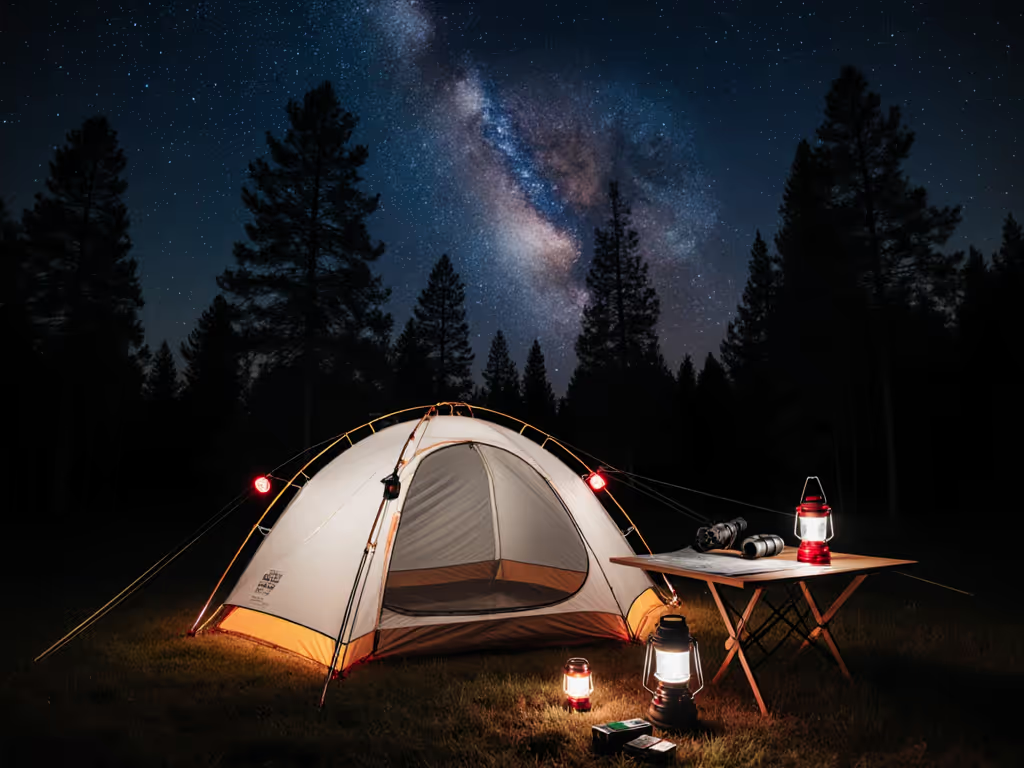
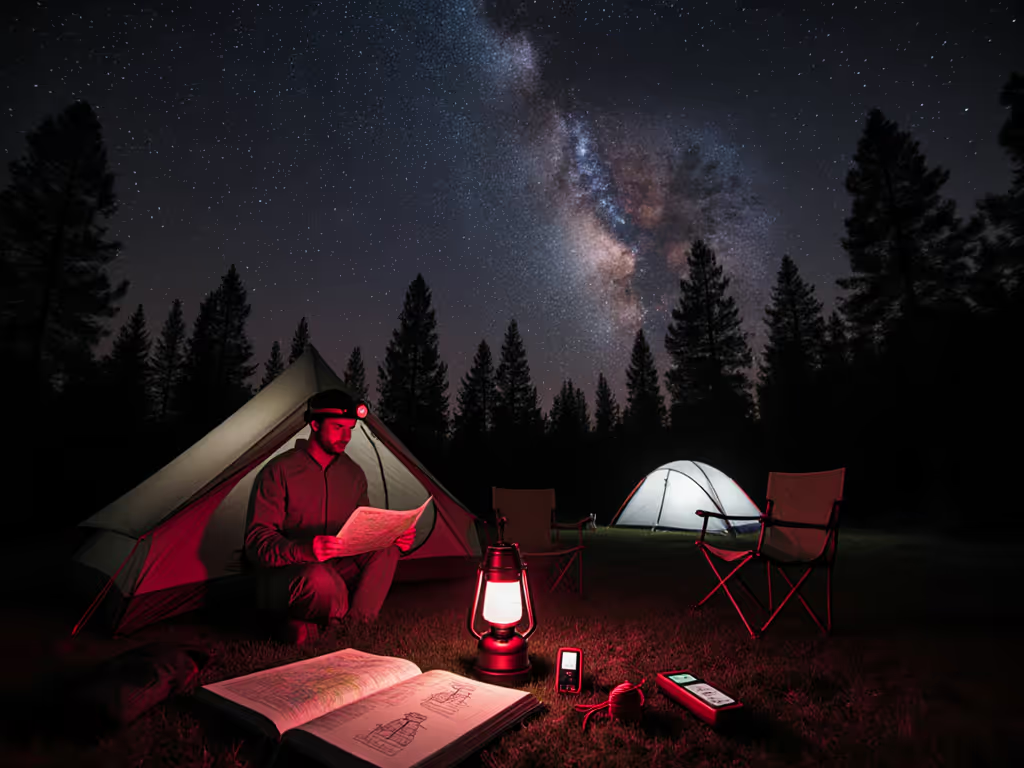
- Amber/Red (under 3000K / 620nm+): Preserves 70–80% of dark-adapted vision. Perfect for tent interiors, campsite navigation, and conversation. Field tests show red light allows Milky Way visibility even at 1 m distance.
- Green Light (520nm): A compromise, better scotopic visibility than red but does degrade night vision. Useful for trail navigation where red feels too dim, but avoid near stargazing zones per National Park Service guidelines.
Quiet objects, clear nights, this is where restraint becomes revolutionary.
Putting Physiology into Practice
Your campsite lighting strategy should mirror how your eyes actually work, not how manufacturers market lumens. Here's how to apply dark adaptation techniques:
Campsite Layout as a Light Sanctuary
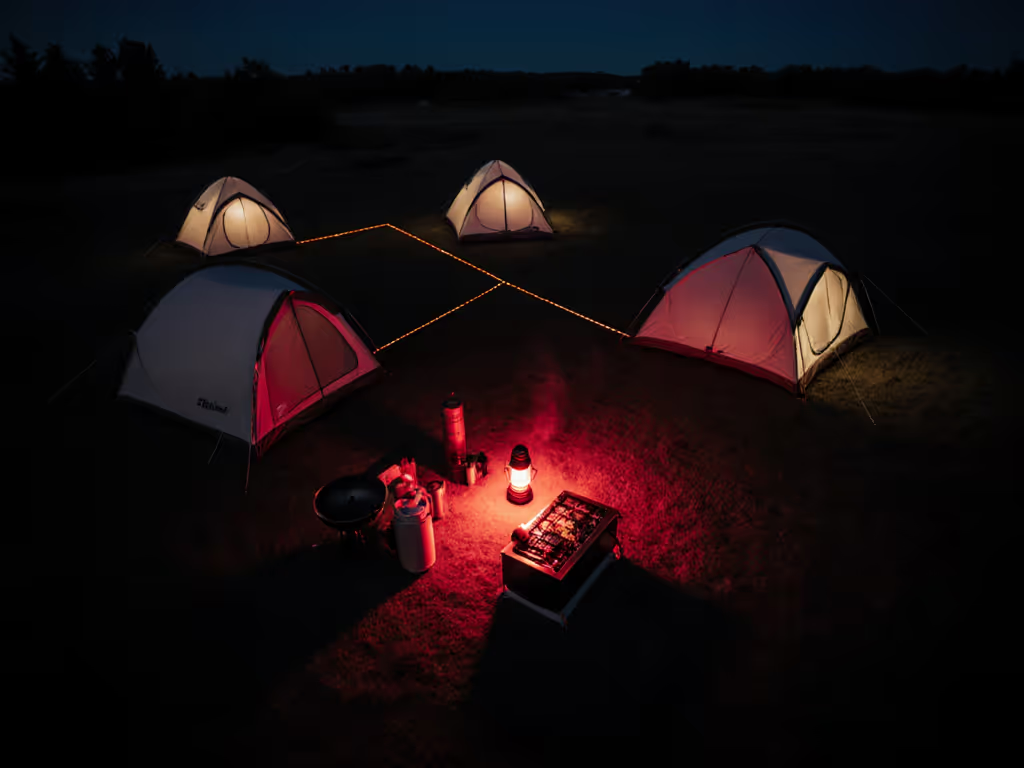
- Zone Your Lighting: Position tents and cooking areas away from stargazing zones (as recommended by DarkSky-approved parks). Use red lanterns for the camp kitchen and deep-dimmed amber strips for tent vestibules.
- Control Spill: Matte diffusers and directional hoods (like those in vintage lanterns) prevent light from scattering into the sky or neighboring sites. A brass reflector's gentle curve (still found in modern repairable designs) does this better than plastic collimators.
- Intensity Discipline: Never exceed 50 lumens for ambient camp use. Your eyes need just 0.1 lux to navigate (a candle flame at 1 m), but many camp lanterns output 1 to 5 lux, which is blinding overkill. Test dimming by reading your hand at 1 m; if you see crisp edges, it's too bright.
Tactical Light Management
- Red Mode First: Start with red light for all pre-sleep activities. For wavelength choices, intensity thresholds, and wildlife-safe setups, see our red light camping guide. It's why groups like scout leaders mandate red headlamps for midnight bathroom trips. Kids' rods regenerate faster, but they are equally vulnerable to glare.
- The 30-Second Rule: If you must use white light, limit exposure to under 30 seconds. Then close your eyes or look downward for 60 seconds to accelerate rhodopsin recovery.
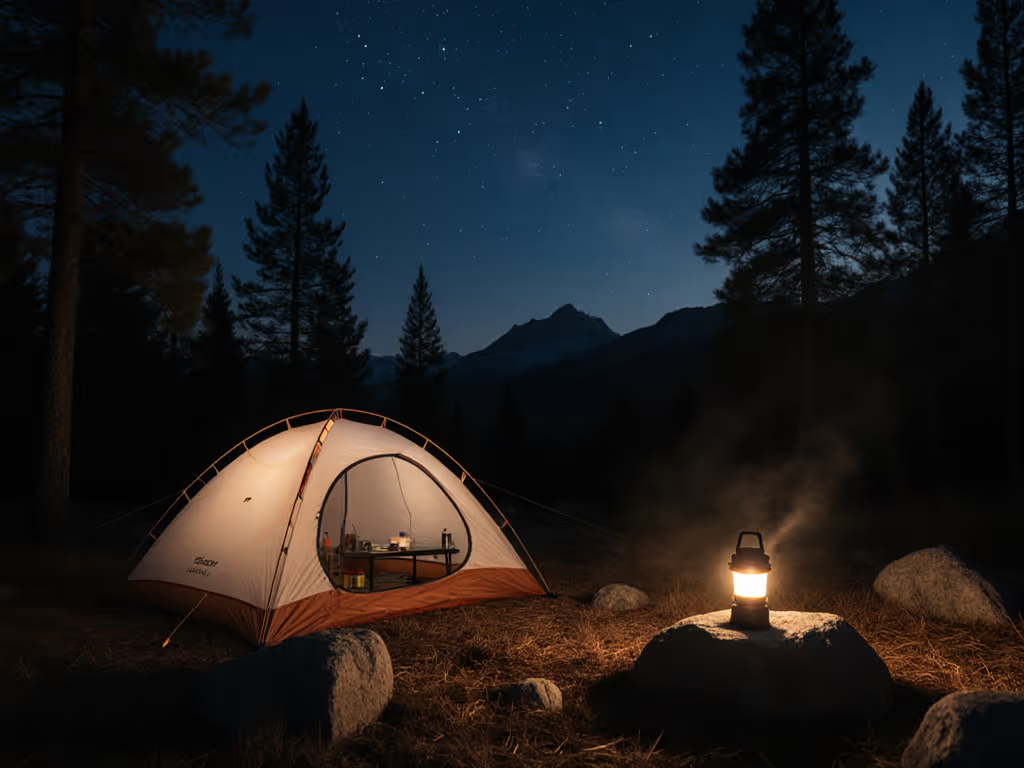
- Shield Your Tools: Place lanterns under upturned bowls or behind rocks. Even a folded bandana over a headlamp creates a makeshift baffle, an old mountaineer's trick that respects campsite lighting etiquette.
Beyond the Headlamp: Designing for the Dark
True night vision preservation camping isn't about gadgets, it's about restraint. When I chase that lantern mood today, I seek tools that vanish into the ritual: a warm 2700K lantern with a single twist knob, no app connectivity, no RGB modes. If you're choosing between fixed-output and adjustable models, our adjustable LED lighting guide explains when warm dimming truly preserves night vision. Replaceable 18650 cells and JIS-standardized O-rings matter more than "turboboost" specs. This aligns with my core belief: good design is the art of restraint in service of people and place.
Consider the brass lantern's legacy. Its weight discouraged careless handling; its fuel consumption demanded intentionality. Modern equivalents (like lanterns with machined aluminum bodies and user-replaceable LEDs) embody this philosophy. They age with dignity, their matte finishes hiding scratches that would mar glossy plastics. This isn't just sustainability; it's psychological safety. Knowing your light won't fail mid-adaptation eases the anxiety that plagues disposable "adventure" gear.
Preserving the Night, One Choice at a Time
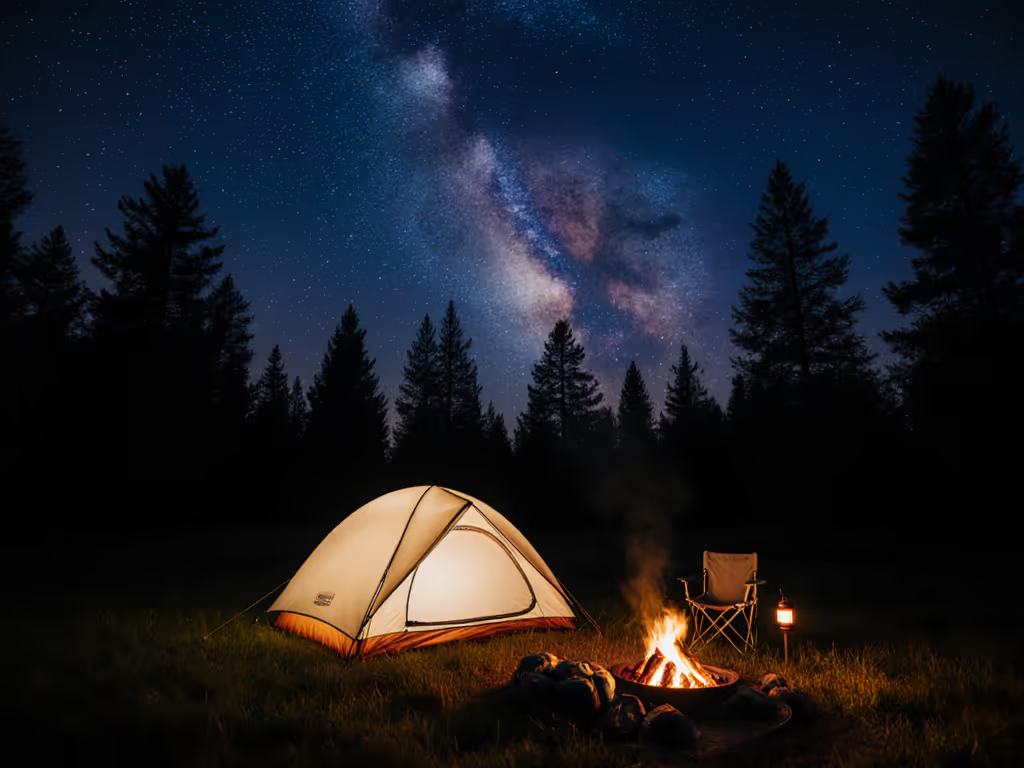
The stars don't need us to dim our lights, they simply stop being visible when we don't. But we need them. That quiet awe when the Milky Way appears isn't just spectacle; it recalibrates our sense of place. By honoring camping light physiology, we protect more than our night vision. We honor the dark as habitat, as essential as forests or rivers.
Related Articles